Skip to content

90+ CELL LIBRARY

Battery Packs

From space to the data center, designed for each application.

KULR Technology Group designs battery packs for the differing conditions of each application, from space to drones to data centers, and is highly regarded for it.
That design philosophy and technology will be carried into energy storage systems in Japan.

CELL SELECTION

The choice of cell decides performance.

At the same capacity, safety and lifespan change with the cell.

Safety, lifespan, weight, output, energy density. What a battery has to deliver depends on the application.

KULR Technology Group keeps a library of more than 90 cells and designs each battery pack around the cell suited to its conditions.

Enesilience followed the same approach: lithium iron phosphate (LFP) was chosen for safety and long life, in a 140.08 kWh configuration.

  • 90+

    Cells in the library

  • 140.08 kWh

    Enesilience battery configuration

  • LFP

    Cell chemistry chosen (lithium iron phosphate)

KULR ONE

Batteries designed by field.

KULR ONE is a battery platform designed for distinct environments and conditions: space, aviation and drones, data centers and telecom.

Space

KULR ONE Space(K1S)

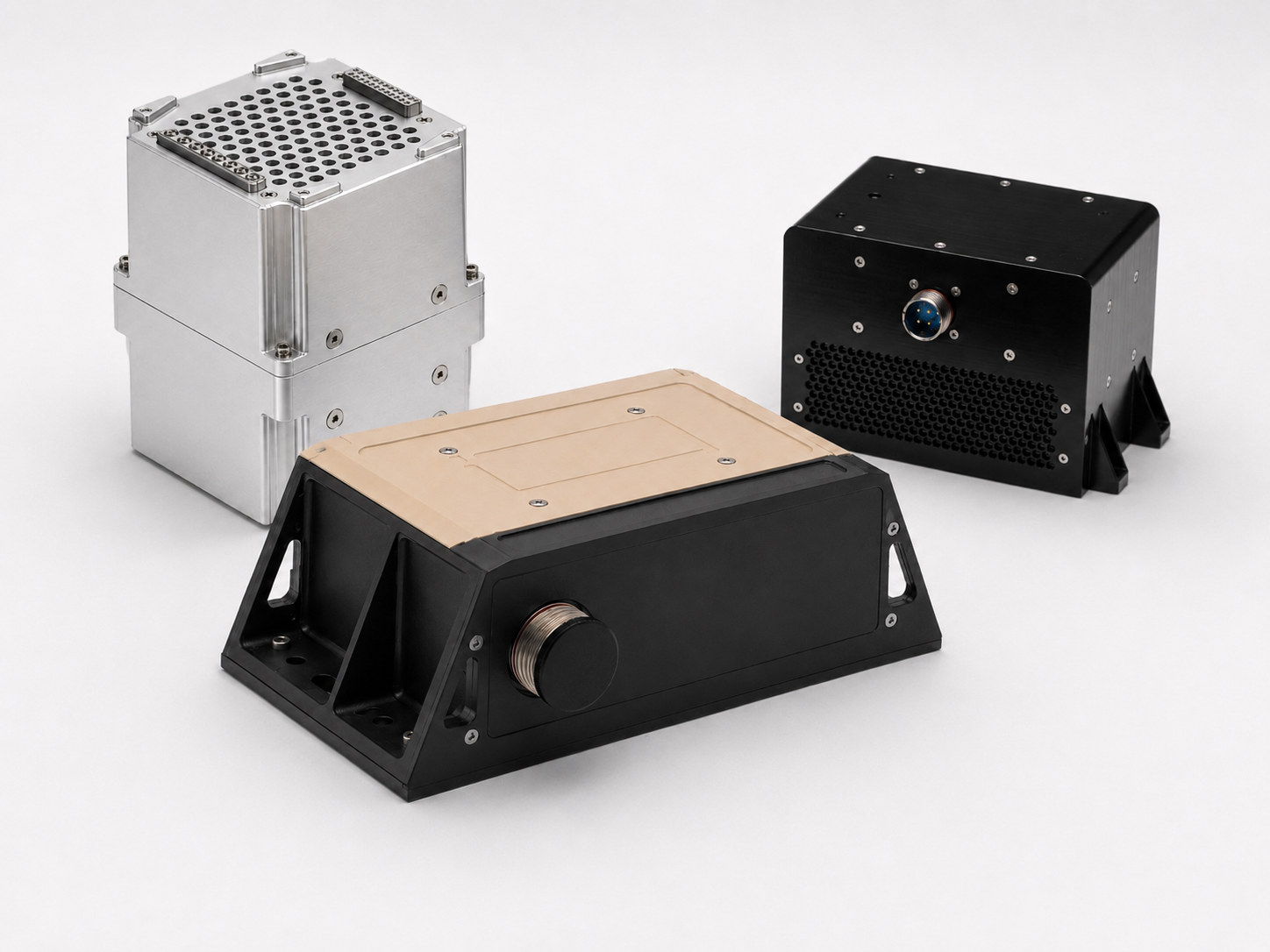
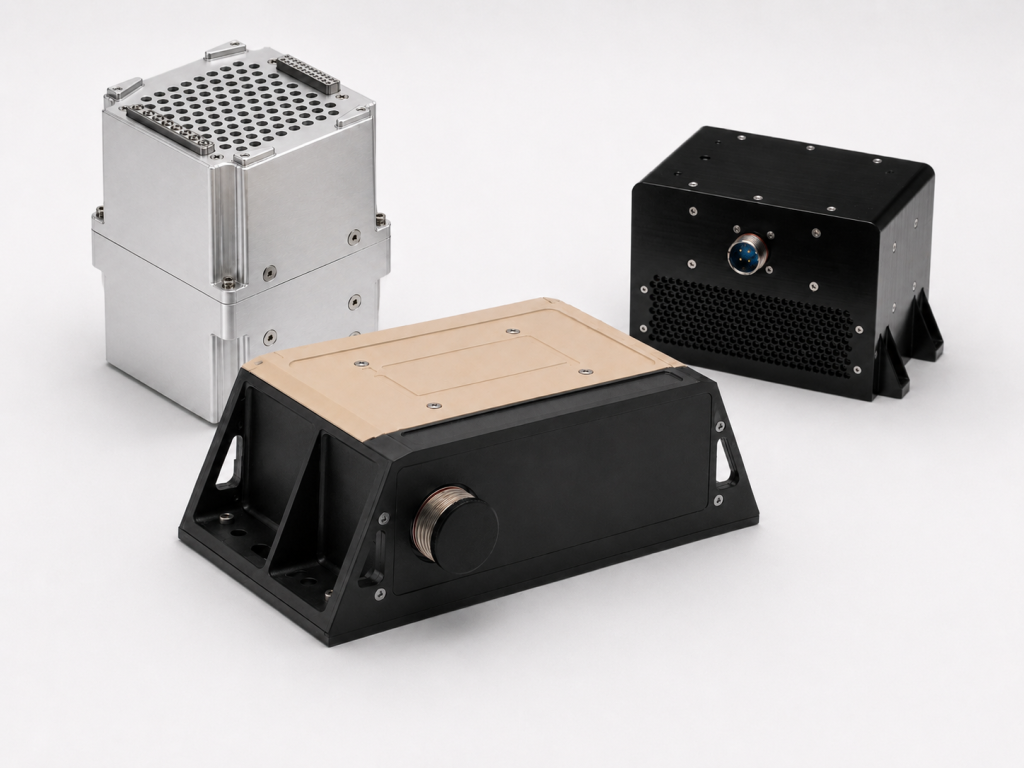
Available in 100 Wh, 200 Wh, 300-LT, and 400 Wh configurations. Cells are screened to NASA WI 037A. Designed for low gravity and launch vibration, with an anodized aluminum enclosure and space-grade connectors.

Intended for CubeSats, orbital vehicles, spacecraft subsystems, and mission-specific payloads.

Drones and eVTOL

KULR ONE Air(K1A)

A series for applications with tight limits on weight, output, and space, such as drones and eVTOL aircraft.

Battery configurations are designed to the application and its requirements: LIFT, POWER, and FLIGHT, plus Custom configurations as needed.

Data centers and telecom

KULR ONE MAX(K1M)

A series designed for rack-level backup power and telecom equipment.

The K1M-BBU is a UL 9540A Listed battery backup unit; the K1M-SIGNAL serves telecom.

FROM SPACE

Design developed for space, brought to storage on the ground.

Technology that has met demanding requirements, applied to energy storage systems.

In space, failed equipment cannot simply be replaced.
That is why batteries there have to be safe and reliable to a high standard.

  1. It must not fail easily.

  2. If part of it does, the failure must not spread.

  3. Inspection and maintenance must demand as little as possible.

The design philosophy KULR developed for space
will be carried into energy storage systems in Japan.

BMSThermal management and safety

CONTACT

Tell us about your energy challenge.

Mobile energy storage, disaster resilience and BCP, power for critical infrastructure, battery technology — we are ready to talk from the planning stage.